
The food and beverage industry is a massive global player. It moves trillions of dollars each year, involving everyone from small local producers to huge multinational corporations. But when it comes to marketing, the industry often sticks to traditional methods.
Flyers, TV ads, and radio spots have been the go-to choices for years. While digital marketing is growing, TV still dominates, accounting for about 80% of food and beverage advertising spending in 2021.

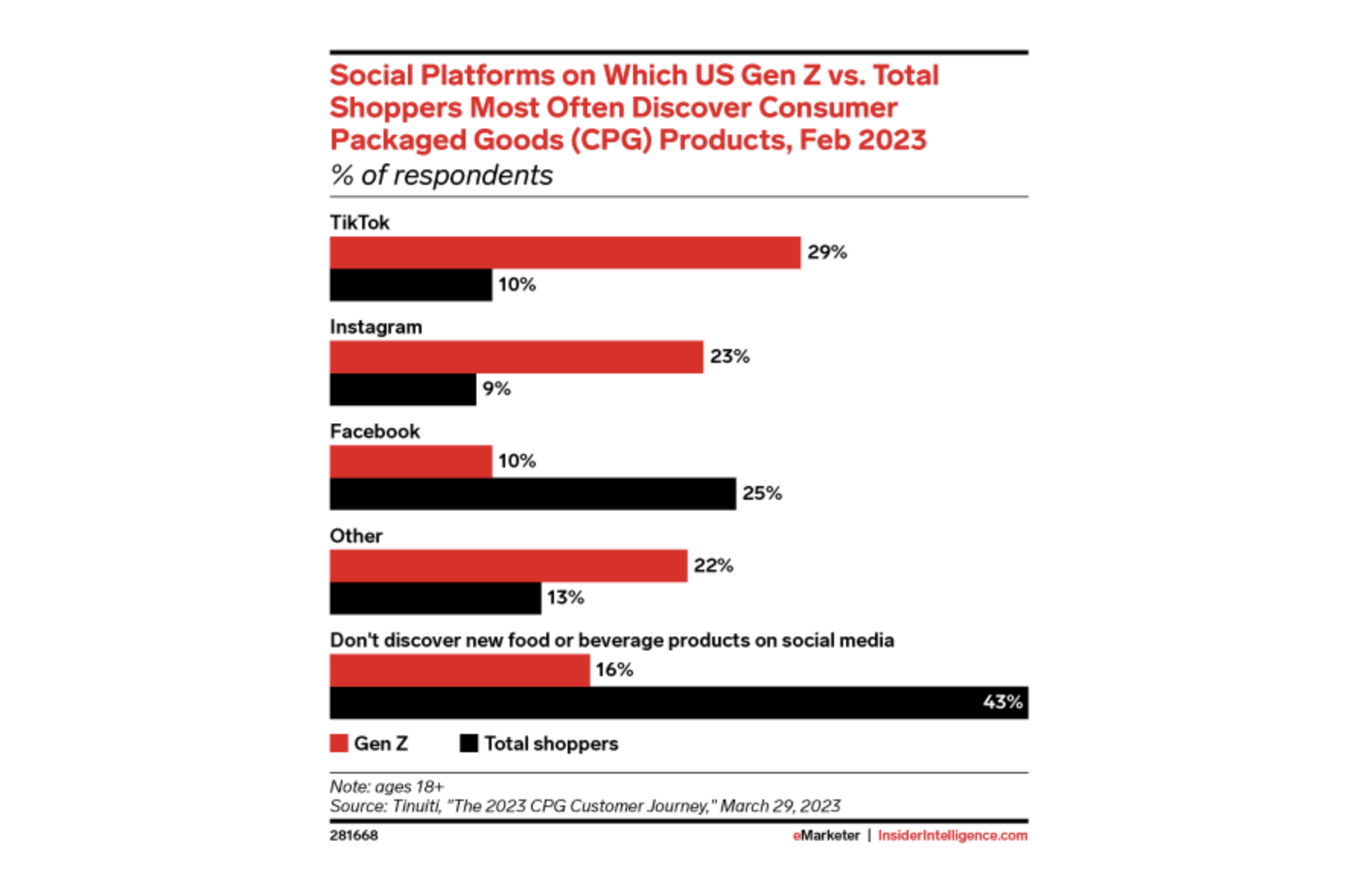
However, this traditional approach has its limitations. Younger consumers, who grew up with the internet and social media, crave authentic and personalized experiences. Static, one-size-fits-all ads just don’t cut it anymore. To reach this audience, brands need to get more creative and personal.
With the rise of social media and digitalization, companies in the sector should shift their focus to communication methods that can capture the attention of even the youngest consumers. However, the increasingly deep connection of new generations with new media does not automatically translate into effective brand communication.
In a saturated food market, companies must go beyond simple visibility and presence on social platforms, they must offer unique and personalized experiences to consumers. Only in this way can they create a lasting emotional bond and differentiate themselves from the competition.
From the Big Screen to the Small Screen
Historically, television has been the preferred medium for communication by large retail chains and food brands. Television commercials with catchy jingles and iconic settings have left an indelible mark on the minds of many consumers. Although this type of communication is no longer the best channel to reach the new generations, it still represents a solid starting point on which to build a broader and more inclusive marketing strategy.
Maintaining a link with television heritage, food brands can move from the “big screen” to the “small screen” of digital devices, thus adopting more innovative and engaging formats. In an interconnected world, to be sure to reach the entire audience, it is essential to establish a presence on new channels, without limiting oneself to the classic advertising elements proposed on social media.
Effective communication on social media requires an engaging format and a figure able to authentically convey the brand’s values.
Having become true points of reference for millions of people, the involvement of influencers and food bloggers can be the key to capturing the public’s attention. In fact, despite the constant growth of the influencer phenomenon in the food sector since 2015, only 11% of content shared on social media is related to sponsorships, while 10% comes from affiliate marketing. These data highlight a unique opportunity for food companies.
Conveying one’s message and products through established and credible creators on social media and in the culinary landscape is a fundamental lever for transmitting authenticity and authority to the public. Thanks to their passion and ability to generate engaging content, influencers can become strategic allies for companies, helping to strengthen the brand and stimulate consumer interest. Investing in these collaborations is therefore a significant and sustainable growth opportunity for the sector.
The Power of Live Shopping
At the heart of the potential shift in the food sector is primarily the abandonment of traditional communication schemes in favor of a more innovative approach. It is necessary to offer the most digitalized generations authentic and personalized experiences that can meet their needs.
To do this, companies have at their disposal a powerful tool: Live Shopping.
This format, in fact, meets the needs and desires of younger people by embodying the characteristics of creativity, personalization, and interaction necessary to create a unique and engaging shopping experience.The ability of consumers to interact directly with the host allows for a genuine dialogue and the building of lasting relationships. The interactivity and the bond of trust that is established contribute to facilitating the purchasing process, determining an increase in the conversion rate.
Live shopping offers incredible versatility in content creation, allowing brands to adapt each session to their specific needs, both in terms of format and presenters.
In fact, cooking shows represent one of the possibilities offered. Practical demonstrations are a fundamental pillar for communicating the quality of products to consumers, showing their use and sharing tips.
In this innovative format, even classic product presentations are effective. During these sessions, the characteristics of the products are illustrated in detail and the benefits and key features are highlighted, all enriched by the possibility of answering questions from viewers in real time.
Whatever format brands prefer, the person who will host the live broadcast must be chosen carefully.
In fact, it is a common mistake to believe that the success of a live shopping event depends mainly on the popularity of the presenter. Reality shows that the real key lies in the ability to effectively communicate the qualities of the product, regardless of the number of followers.
An industry expert, even if less known on social media, can be much more convincing thanks to their in-depth knowledge of the product and the ability to convey technical details and benefits in a clear and engaging manner. Their credibility is built through concrete demonstrations and timely answers to the public’s questions.
When the presenter has a genuine passion and real expertise, their communication is naturally persuasive. This authentic approach, combined with the ability to handle technical and specific questions, has a much more significant impact on purchasing decisions than a presentation based solely on the presenter’s fame.
This versatility allows brands to modulate their sales strategy, reaching different target audiences and keeping viewers’ attention constantly high.
USE CASE – Discover Carrefour Products with Live Shopping
Carrefour, a leading player in the retail sector in Italy and France, has been able to seize the opportunities offered by the digital world by introducing an innovative and engaging format such as live shopping. By making this choice, the brand has managed to differentiate itself within the market. In an increasingly competitive market, where large retailers compete for market share, offering an innovative and engaging shopping experience is an effective way to stand out and attract new customers.
In this way, Carrefour has demonstrated a great openness to innovation, anticipating market trends and responding promptly to changing consumer needs. Furthermore, the differentiation of the topics covered leads the public to follow the live streams consistently.
The lives range over various themes, such as:
- Seasonal products: Valorization of local and seasonal products, with tips on how to cook them at their best.
- Carrefour branded products: Presentation of private label products, emphasizing quality and value for the consumer.
- Gift ideas: Proposals for food and wine gifts, perfect for any occasion.
- Wellness and nutrition: Nutritional advice and presentation of organic and healthy products.
Through live broadcasts, the company has the opportunity to establish a deeper and more personalized dialogue, answering customers’ questions and curiosities in real time. This allows building a relationship of trust and customer loyalty, consequently increasing sales.
Live shopping isn’t just confined to the world of large-scale retailers, as luxury food brands can also embrace this interactive sales format. This immersive shopping experience allows luxury consumers to interact more deeply with brands, learn about product origins and production methods, and gain a sense of exclusivity, all important factors in premium food purchasing decisions.
The one-to-few format of live shopping is particularly suitable for the luxury food market. Unlike mass live shopping events that target thousands of viewers, luxury brands need to reach a smaller, more targeted audience. With the ability to organize exclusive live sessions, brands can offer a higher level of attention and personalization. By limiting the number of viewers and maintaining an aura of exclusivity, luxury brands can cultivate deeper connections with their target audience, share specialized knowledge about products, and create a sense of access to a privileged circle, all crucial factors in driving loyalty and high-value sales in the premium food sector.
This sense of exclusivity aligns with the message that luxury food brands want to convey: the highest quality, sophistication, and the promise of a unique sensory experience.
Unlock the Power of Live Shopping with GOLIVE
Choosing the right platform is crucial for a successful live shopping experience.
GOLIVE is a cutting-edge live shopping platform that revolutionizes how businesses connect with their customers. By blending an intuitive user interface with powerful AI, GOLIVE delivers a fully customizable and engaging live shopping experience.
Our AI ensures a personalized journey for each shopper, offering tailored product recommendations. Meanwhile, businesses can track campaign performance and optimize their marketing strategies for maximum impact.
GOLIVE seamlessly integrates with your eCommerce systems, providing a frictionless shopping experience. Customers can interact with products and make purchases directly during the live stream, without any interruptions.
Take the first step towards growth. Equip yourself with the tools to monitor results, refine strategies, and make data-driven decisions.
Elevate your eCommerce with GOLIVE. Start your free trial today.