
The rise of eCommerce has transformed retail, but it has also brought unprecedented challenges with the management of product returns.
In 2023, the retail industry faced a staggering $247 billion in merchandise returns, representing 17.6% of total online sales.
This growing challenge has led innovative retailers to seek new solutions, with live shopping emerging as a powerful tool to reduce returns while enhancing customer satisfaction.

The Growing Challenge of eCommerce Returns
Modern online shopping offers unprecedented convenience and variety, but the inability to physically interact with products before purchase has created a significant returns challenge.
The apparel industry particularly feels this impact, with a 25% return rate, followed by footwear and accessories at 18%. Even the food and beverage sector, with its relatively lower 13% return rate, faces mounting pressure from returns management.
Product returns stem from various factors, with size issues leading at 65%, followed by product defects (44%) and inaccurate product descriptions (31%). Beyond these product-specific concerns, two significant factors contribute to the returns phenomenon.
While efforts to simplify the returns process have resulted in improved customer satisfaction and increased sales, they have also brought about an unintended consequence: a higher return rate.
Additionally, the ease of online shopping has led to increased impulse purchases, many of which are later returned when buyers experience post-purchase regret.
Live Shopping: A Strategic Solution to Reduce Returns
Live shopping represents more than just another marketing channel. This solution addresses key eCommerce issues that often contribute to high return rates. By providing real-time interaction and detailed product demonstrations, live shopping addresses the core issues driving returns.
Transforming Size and Fit Uncertainty
One of live shopping’s most significant advantages lies in its ability to address sizing concerns. Unlike traditional eCommerce platforms that rely on basic size charts, live shopping sessions feature expert hosts who demonstrate products on various body types, showing how different fabrics move and drape in real-time.
Customers can ask specific questions about fit and receive immediate, personalized guidance based on their unique body shape and style preferences. This interactive approach significantly reduces the uncertainty that often leads to size-related returns.
Enhancing Product Understanding
Live shopping excels at bridging the gap between customer expectations and reality. Hosts provide comprehensive product demonstrations, showcasing items from multiple angles under natural lighting conditions. This transparency helps customers develop realistic expectations about their purchases, reducing the likelihood of returns due to product disappointment.
The ability to see products in actual use—whether it’s examining fabric texture or demonstrating functionality—provides customers with critical information previously available only in physical stores. This detailed presentation ensures customers receive exactly what they expect.
Enhancing Product Understanding
While traditional eCommerce can encourage impulsive purchases, live shopping transforms the buying process into a more considered experience. The interactive format naturally encourages customers to pause and reflect on their purchasing decisions through:
- Real-time consultation with product experts who can address specific concerns and use cases;
- Detailed discussions about product maintenance and care requirements;
- Practical demonstrations of product versatility and functionality
The Future of Returns Management
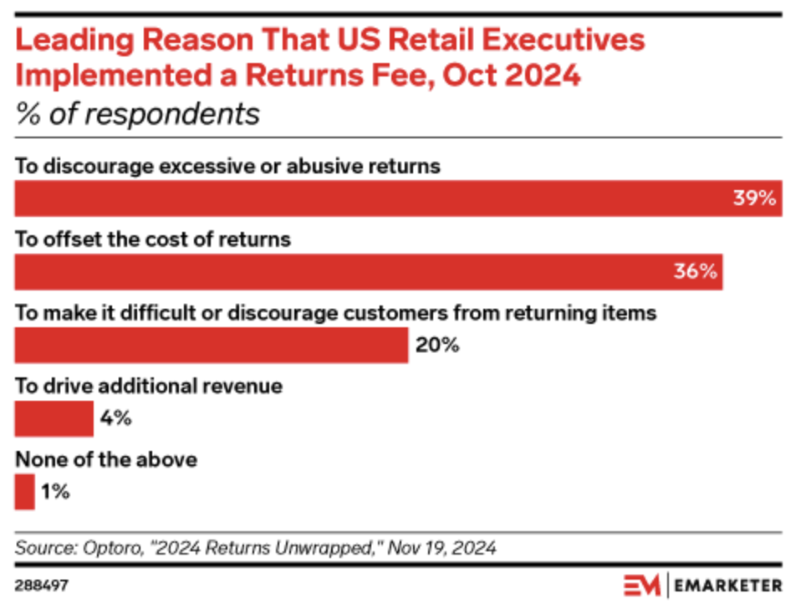
As retailers seek solutions to the growing returns challenge, live shopping stands out as a proactive approach that benefits both businesses and customers. Rather than implementing punitive measures like return fees—which 39% of US companies have considered—live shopping offers a positive solution that enhances the customer experience while naturally reducing return rates.
For businesses looking to address the returns challenge, live shopping offers a sustainable solution that aligns with modern consumer expectations while protecting the bottom line. By providing detailed product information, personalized guidance, and real-time interaction, live shopping is transforming how customers shop online and helping retailers build more sustainable eCommerce operations.
Conclusion
In the evolving landscape of eCommerce, live shopping platforms are revolutionizing how retailers approach the returns challenge. GOLIVE represents one of the platforms helping businesses minimize returns while enhancing customer satisfaction. The platform incorporates AI-powered features that provide insights into customer preferences, enabling retailers to better understand their audience and deliver more informed shopping experiences.
By combining live shopping capabilities with data analytics, platforms like GOLIVE help hosts and retailers identify which product features matter most to customers, allowing them to address potential concerns during live sessions before they lead to returns.
This comprehensive approach to reducing returns through live shopping represents the future of eCommerce, where technology and human interaction combine to create better shopping experiences and more sustainable business practices. As the industry continues to evolve, live shopping stands as a strategic solution that benefits both retailers and customers alike.